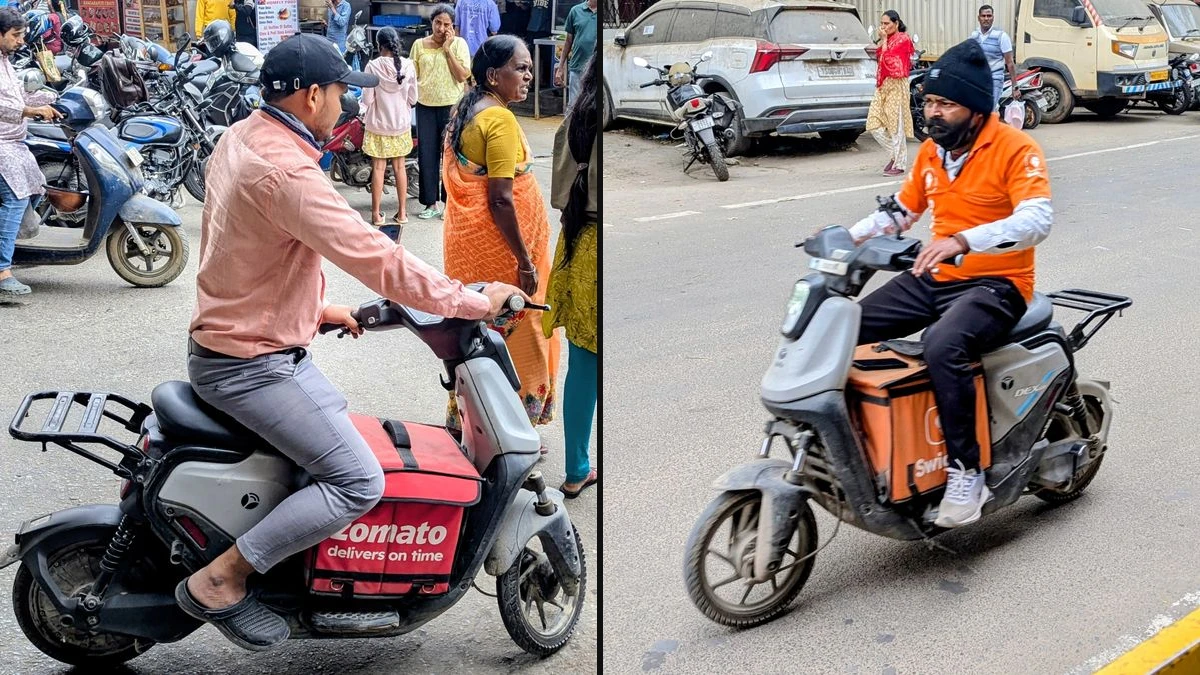
In late November 2026, itemized breakdowns of delivery orders and platform charges shared across Reddit communities—including r/mumbai and r/india—ignited nationwide conversation over the stealth inflation baked into online food ordering. Discussions highlighted how food aggregators Swiggy and Zomato escalated what began as a modest ₹2 convenience charge into a mandatory ₹15 platform fee within just over a year, significantly inflating total payable bills compared to direct dine-in receipts.
The core lightning rod of the breakdown centered on the once-nominal platform fee. What began in August 2023 as an experimental ₹2 surcharge on select pin codes has climbed steadily through consecutive revisions, crossing ₹14.90 on Zomato and ₹17.58 (inclusive of 18% GST) on Swiggy by late November 2026. For millions of consumers who turn to delivery apps daily, the receipts laid bare how delivery economics have transitioned from aggressive venture capital discounting to relentless per-transaction monetization.
r/mumbai Community
Reddit Consumer Discussion
Original Restaurant Price: ₹140.00 (Single Meal Tray)
Aggregator Menu Listing: ₹165.00 (+17.8% markup)
Restaurant Packaging Fee: ₹25.00
Delivery Charge: ₹35.00 (or waived under paid pass)
Platform Surcharge: ₹15.00 (+ ₹2.70 GST = ₹17.70)
Government Taxes (CGST + SGST): ₹12.50
Total Customer Outlay: ₹237.20 (+69.4% over dine-in)
Source: Verified order checkouts and community fee tracking, November 2026.
The Quiet Climb From Two Rupees to Fifteen
When food platforms first rolled out the platform fee in mid-2023, management described the charge as a minor contribution toward server maintenance, continuous app improvement, and technological stability. Because the initial amount was capped at ₹2 per cart, few users pushed back.
However, regulatory filings and corporate quarterly calls over the subsequent three years revealed that the modest line item was designed as an elastic margin lever. By late 2023, the charge stepped up to ₹3. In January 2024, it touched ₹5 across Tier-1 metro regions, advancing to ₹6 in July 2024. During high-demand intervals, such as Diwali festivals, New Year weekends, and severe monsoon waterlogging episodes, aggregators tested surge caps between ₹10 and ₹12. While promoted as temporary peak surcharges to handle surge logistics, the baseline rates never reverted to previous levels once festive weeks concluded.
By November 2026, the standard fee reached ₹14.90 on Zomato before statutory goods and services tax, and approximately ₹17.58 on Swiggy with GST factored into the billing display. Even subscribers holding premium monthly passes—such as Zomato Gold or Swiggy One, which market free delivery as their headline benefit—remain subject to the mandatory platform charge on every completed order.
The Macro Economics Behind Micro Surcharges
To grasp why platforms push incremental ₹2 and ₹3 fee revisions, analysts point to transaction scale. Both Zomato and Swiggy process roughly 2.5 million to 3 million individual food orders every 24 hours nationwide.
When multiplied across 2.5 million daily deliveries:
- A ₹2 platform fee yielded ₹50 lakh daily, or approximately ₹182 crore annually.
- At ₹6, the figure expanded to ₹1.5 crore daily, generating ₹547 crore each fiscal year.
- At the November 2026 rate of ₹15, the platform fee delivers ₹3.75 crore daily in pure, direct gross profit.
On an annualized run rate, this single line item generates more than ₹1,360 crore in high-margin cash flow for an aggregator. Unlike delivery charges—which are passed through to gig fleet partners or offset against vehicle fuel and distance allowances—platform fees incur near-zero direct operational delivery expenditure. For publicly traded entities and companies gearing up for secondary offerings, platform fees have provided an effective shield against fluctuating food inflation and merchant discounting pressures.
The Double-Sided Monetization Dilemma
The viral discussion also highlighted the compounding nature of food delivery markups. Consumers are not simply paying a standalone ₹15 technology surcharge; they are absorbing charges applied at multiple touchpoints throughout the order cycle:
- Merchant Commission Squeeze: Food aggregators charge restaurant partners between 18% and 26% of gross cart value on every fulfilled delivery. To maintain operational viability after factoring in rising cooking gas, commercial kitchen rents, and raw ingredient costs, restaurants frequently inflate online menu pricing by 15% to 25% compared to their physical menu cards.
- Packaging Fees: Standard disposable paper containers and bag fees routinely add ₹20 to ₹40 per order. These fees remain unmonitored by standard retail caps and are passed entirely to the customer.
- Cascading Indirect Taxes: Effective November 1, 2026, the Central Board of Indirect Taxes and Customs (CBIC) tightened compliance guidelines around e-commerce operator deliveries, ensuring that logistics and technology service fees carry a standardized 5% or 18% GST slab without input tax leakage. As platforms display split tax line items, customers find taxes applied both to the food preparation and separately to the delivery logistics.
When these layers combine on modest orders—such as an evening tea with snacks or a single lunch thali priced at ₹120 to ₹150—the overhead charges easily approach 60% to 70% of the food’s intrinsic cost.
Changing Consumer Habits and the Search for Alternatives
The persistence of fee increases has begun nudging regular office commuters and urban households to re-evaluate their delivery routines. On city-specific online subreddits representing Delhi, Mumbai, and Bengaluru, users shared practical workarounds to circumvent aggregator inflation.
Many neighborhood eateries now print direct WhatsApp ordering numbers on takeout menus, offering direct-to-door delivery within a two-kilometer radius at standard dine-in rates through their own staff. Others noted the steady adoption of the government-backed Open Network for Digital Commerce (ONDC), where local merchants manage listings with significantly lower intermediary commissions, frequently resulting in bills that run ₹40 to ₹70 cheaper for identical dishes.
Despite consumer pushback on social media, industry analysts observe that demand among core convenience seekers remains robust. Food aggregators have demonstrated pricing power over urban office workers who prioritize fifteen-minute dispatch windows and live tracking over manual phone orders.
With platforms exploring differentiated fees based on delivery urgency and rain-related logistics, the modest platform fee has firmly established itself as a permanent pillar of India’s quick-commerce and food delivery ecosystem.