Whenever anxiety over the stability of modern infrastructure spikes, the American consumer’s default survival instinct is remarkably consistent: grab a membership card and drive to the nearest wholesale warehouse club. In mid-November 2026, that behavioral pattern played out with unprecedented velocity across the United States. Following an unsettling sequence of high-profile technology disruptions, flight ground stops, and banking outages, retail giant Costco Wholesale witnessed a massive nationwide wave of panic buying and emergency pantry-loading.
The sudden run on survival gear and backup power was detailed in an eye-opening Wall Street research report published by investment firm Mizuho Securities. According to lead retail analyst David Bellinger, consumer anxiety crossed a distinct threshold after back-to-back system failures triggered apocalyptic speculation across social media platforms, sending shoppers into an emergency preparedness frenzy.
21 Out of 26 Generators Cleaned Out Online
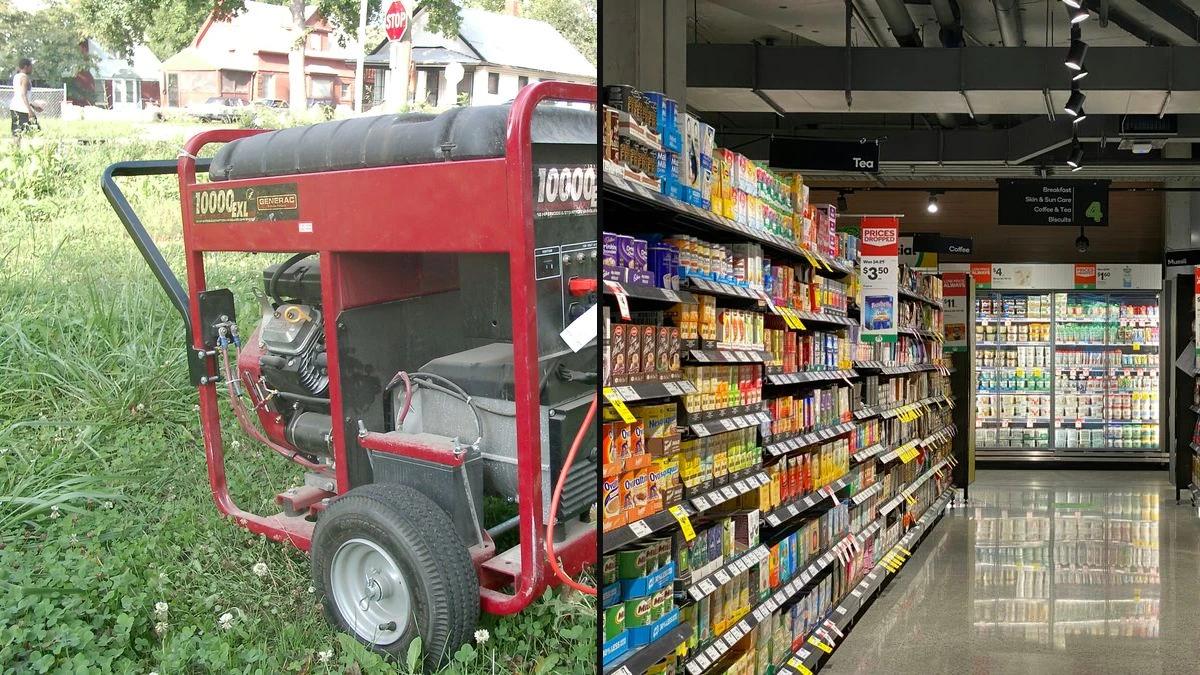
The most striking indicator of public unease appeared not in the toilet paper aisle, but in heavy-duty emergency power hardware. According to Mizuho’s audit of Costco’s e-commerce inventory, 21 of the 26 high-ticket generator models offered on Costco.com were completely sold out across the country by Sunday night, November 15, 2026.
Shoppers were not merely grabbing modest portable camping inverters; they were aggressively purchasing top-tier, permanent residential power stations:
- Heavy-Duty Standby Units: Premium whole-home models, including commercial-grade $7,000 Kohler standby generators, saw their online inventory completely exhausted.
- Dual-Fuel and Inverter Generators: Mid-range dual-fuel units (running on gasoline or propane) and high-capacity portable units from brands like Champion, Firman, and Generac vanished from warehouse inventory within forty-eight hours.
- Home Energy Storage and Solar Kits: Off-grid solar generators, backup lithium battery banks, and transfer switches experienced unprecedented traffic and cart additions.
Alongside backup electrical equipment, members engaged in aggressive “pantry-loading”—stockpiling multi-month supplies of non-perishable goods. Bulk survival rations, such as ReadyWise 150-serving emergency food supply buckets, cases of freeze-dried proteins, 40-pack bottled water pallets, canned beans, rice, and industrial-sized battery packs, flew off pallets at physical warehouse locations from California to Pennsylvania.
The Compounding Tech Shocks That Sparked the Frenzy
The sudden panic was not triggered by an imminent Category 5 hurricane or a sudden blizzard. Instead, it was catalyzed by an unnerving series of cascading civilian infrastructure failures that unfolded over the course of a single week:
- The Nationwide FAA Air Traffic Ground Stop: The Federal Aviation Administration issued an emergency nationwide ground stop for all domestic commercial airline flights after a software update by an outside contractor corrupted flight management databases. The resulting airport gridlock stranded tens of thousands of passengers across major transportation hubs.
- The Global Microsoft 365 Collapse: Millions of enterprise workers, corporate offices, healthcare networks, and government administrative desks lost access to Outlook, Teams, and cloud services during a multi-day Exchange Online disruption.
- Intermittent Banking Glitches: Several major retail banks and payment clearinghouses suffered concurrent digital hiccups, temporarily locking mobile app users out of account balances and disrupting debit transactions.
On TikTok, X, and Reddit, algorithmic recommendation feeds amplified speculative theories, with viral posts warning of imminent cyber warfare, grid sabotage, or impending telecommunications blackouts. While corporate communications teams emphasized that the disruptions were separate, mundane operational blunders, the optical coincidence proved overwhelming for millions of anxious households.
Government and Cybersecurity Experts Weigh In
The rapid surge in consumer panic prompted federal officials and national security correspondents to address public fears directly. Speaking during a news conference in the Philippines, Secretary of State Marco Rubio explicitly pushed back against internet speculation, stating that federal intelligence agencies have verified zero coordination behind the events:
- “The Microsoft incident has nothing to do with what we saw with the FAA. The FAA has nothing to do with what we saw with the banks a few days ago. These issues that we’ve seen from a technical standpoint are completely unrelated one from another,” Rubio confirmed.
On television, CBS News chief correspondent Matt Gutman noted on “CBS Mornings” that while affected companies and agencies all formally denied cyberattacks, the rapid clustering of outages inevitably inflamed civilian paranoia.
Academic researchers pointed out that the public reaction exposes a genuine structural vulnerability: extreme digital centralization. Speaking to CBS News Philadelphia, John D’Arcy, a professor at Temple University who specializes in cybersecurity and information technology risk, explained why modern tech failures trigger such outsized panic:
- “Our systems are so much more complex and so much more interconnected than they ever have been in the past, that when we just have one failure, the effects are much more dramatic,” D’Arcy observed. When people observe airline radar systems, cloud email servers, and banking apps faltering simultaneously, their faith in basic supply chain resilience evaporates.
The Financial Upside: Wall Street Raises Costco Price Targets
While the sudden run on generators highlights fragile consumer psychology, it has delivered an immediate windfall to big-box wholesale balance sheets.
Mizuho analyst David Bellinger noted that emergency-prep transactions involve significantly higher basket sizes than standard grocery runs, directly boosting same-store sales metrics:
- Price Target Hike: In response to accelerated comparable store sales momentum, Bellinger raised Mizuho’s price target for Costco stock from $1,100 to $1,150 per share.
- Spillover to Retail Peers: The analyst emphasized that competing big-box operators, including Walmart and Sam’s Club, are experiencing parallel “pantry-loading lifts” as consumers broaden their emergency stockpiles.
“One Day Without Email and People Buy $7,000 Generators”: Reddit Debates the Run on Costco
When the Mizuho report and reports of wiped-out generator inventories hit Reddit, threads across r/news and r/CostcoWholesale accumulated thousands of comments debating whether shoppers were exhibiting rational preparedness or collective hysteria.
The debate across Reddit revealed three distinct viewpoints:
- The Digital Fragility Shock: A top-rated comment on
r/newscaptured the popular disbelief: “One afternoon of Outlook going down and a brief FAA radar glitch, and people immediately turn into apocalyptic preppers. It shows just how fragile our collective faith in digital infrastructure actually is.” - Practical Grid Defense: Commenters on
r/CostcoWholesaleliving in winter storm or hurricane corridors pushed back, arguing that standby power is simple common sense: “People mock generator buyers until an ice storm cuts power for a week. A backup generator isn’t doomsday cosplay—it keeps your pipes from bursting and saves $1,000 of meat in your freezer.” - Costco as the Ultimate Security Blanket: Others reflected on why warehouse clubs become ground zero during national anxiety spikes: “Costco is where Americans go to feel secure. When the news looks bleak, walking out with 50 pounds of rice, a pallet of bottled water, and a heavy-duty inverter makes people feel like they’re in control.”
For decades, consumer economists have treated wholesale club sales as an informal barometer of American social sentiment. When economic optimism is high, members splurge on patio furniture, organic wine, and oversized flat-screen televisions. When anxiety mounts, pallets of bottled water, freeze-dried meat, and industrial generators become the retail economy’s ultimate safe-haven assets.