For generations of Bengaluru residents, a visit to Krishna Rajendra Market, popularly known as KR Market, meant navigating a sensory tempest of crushed marigolds, muddy puddles, and suffocating traffic. That collective memory was upended this week after visual evidence surfaced showing wide, spotless corridors and orderly trading spaces inside the historic commercial district.
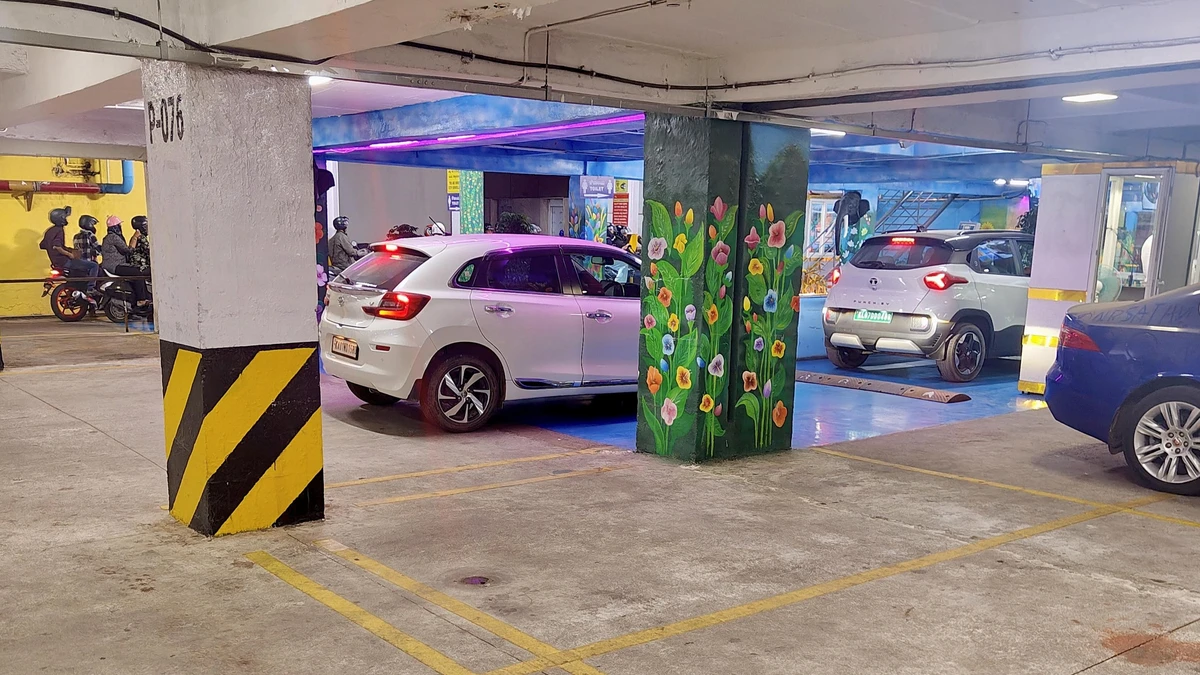
The unexpected visual update originated in the city’s primary online community, r/bangalore, where a resident posting under the handle /u/TheKing_XI shared photos documenting a striking revamp. The post ignited immediate fascination across local social circles, driving hundreds of comments from commuters stunned to see open walking spaces inside one of Asia’s largest flower and vegetable markets.
Original Post via Reddit (r/bangalore): “KR Market’s Surprising Transformation”
Behind the Lens: Key Elements of the Visual Makeover
The shared photographs highlight a dramatic departure from the market’s standard weekday operations. Instead of informal stalls spilling into central walkways, the images showcase clear sightlines and structural upgrades:
- Decongested Walkways: The wide central pedestrian corridors, long obstructed by overflowing crates and makeshift tarpaulins, appear swept clean and unobstructed for foot traffic.
- Upgraded Flooring and Drainage: Newly paved stone surfaces replace the crumbling, uneven slabs that previously trapped stagnant water and organic waste.
- Streamlined Vendor Zones: Merchants operate from designated interior spots, keeping fresh produce off walking paths and allowing shoppers to browse without stepping onto active carriageways.
- Architectural Visibility: Heritage brickwork and high-ceiling arches from the original structure, previously hidden behind plastic sheets and dangling utility wires, are now clearly visible.
An Iconic Trading Hub Battling Decades of Decay
Established in 1928 during the reign of the Maharaja of Mysore, Krishnaraja Wadiyar IV, KR Market spans roughly 15 acres in the city’s historic core. It acts as the primary clearinghouse for Karnataka’s agrarian economy, handling thousands of metric tons of cut flowers, fruits, and vegetables daily. Over 30,000 vendors, daily wage porters, and wholesale buyers pass through its gates before sunrise every morning.
Rapid urban growth through the late 1990s and early 2000s left municipal infrastructure lagging behind the market’s massive economic volume. Stagnant drain lines, illegal encroachment along emergency exits, and a daily generation of nearly 100 metric tons of green waste turned the lower basement and adjoining avenues into notorious bottlenecks. For years, shoppers accepted the slush as an unavoidable tax for purchasing fresh blooms at wholesale rates.
The visual overhaul captured on Reddit reflects long-delayed interventions spearheaded under the Bengaluru Smart City Limited initiatives alongside the Bruhat Bengaluru Mahanagara Palike (BBMP). Municipal authorities invested substantial capital into retrofitting the multi-tier market complex, targeting basement clearing, fire-safety access lanes, mechanized waste sorting stations, and skywalk connectivity to nearby transit links.
The Internet Reacts: Awe Mixed With Civic Realism
The visual evidence prompted immediate intrigue among netizens who have spent years navigating the bazaar’s narrow corridors. While many praised municipal crews for finally reclaiming public accessways, experienced marketgoers quickly questioned whether the orderly appearance would survive peak festive surges.
“I had to do a double take because this looks completely unrecognizable from the place I visited just six months ago,” wrote one commenter. “If the city can maintain this standard through the wedding and festival seasons, it will completely change how people view Old Bengaluru.”
Another user offered a more skeptical perspective rooted in past municipal initiatives: “We have seen temporary cleanups happen right before civic inspections or dignitary visits, only for informal vendors to reoccupy the walkways within forty-eight hours. The real test is not how it looks on a quiet morning, but what it looks like on an Ayudha Pooja weekend.”
A third resident drew comparisons to international municipal projects: “This proves that dense heritage markets do not need to be chaotic to be vibrant. Look at Borough Market in London or Tsukiji in Tokyo. Traditional commerce can coexist with hygiene and basic fire safety if civic authorities enforce designated vending boundaries consistently.”
A fourth participant highlighted the importance of municipal waste upkeep: “The biggest bottleneck was always the disposal system. As long as the automated waste-shredding plants on the periphery function without breakdowns, vendors will not be forced to leave decomposing produce on the floor.”
The Challenge of Preserving Commercial Momentum
Urban planners emphasize that sustaining an organized market requires more than concrete repairs and fresh coats of paint. Historic commercial quarters thrive on high foot traffic and low barriers to entry for marginal sellers, meaning rigid enforcement can displace informal laborers if designated vending zones are priced out of reach.
Balancing pedestrian safety with the livelihoods of street sellers remains a delicate balancing act for the municipal corporation. When informal sellers are pushed into peripheral streets without adequate buyer access, trade drops, eventually forcing vendors back into high-traffic corridors. Sustaining the current order will depend on reliable solid waste management, routine inspections, and affordable stall allocations for small-scale flower weavers.
For now, the viral photographs have given city residents an unexpected glimpse of civic progress. By turning a chaotic wholesale square into an accessible commercial corridor, the quiet transition shows that even the densest historic hubs can reclaim order without sacrificing their traditional pulse.