Across corporate corridors in India every festive season, social feeds fill with familiar complaints: junior associates venting about generic mass emails, ₹200 sweet boxes, or tech giants slashing variable pay while reporting record quarterly profits. But inside the bustling textile trading markets of Surat, Gujarat, an independent shop proprietor flipped the modern corporate narrative entirely on its head, turning Diwali appreciation into a life-changing financial blessing.
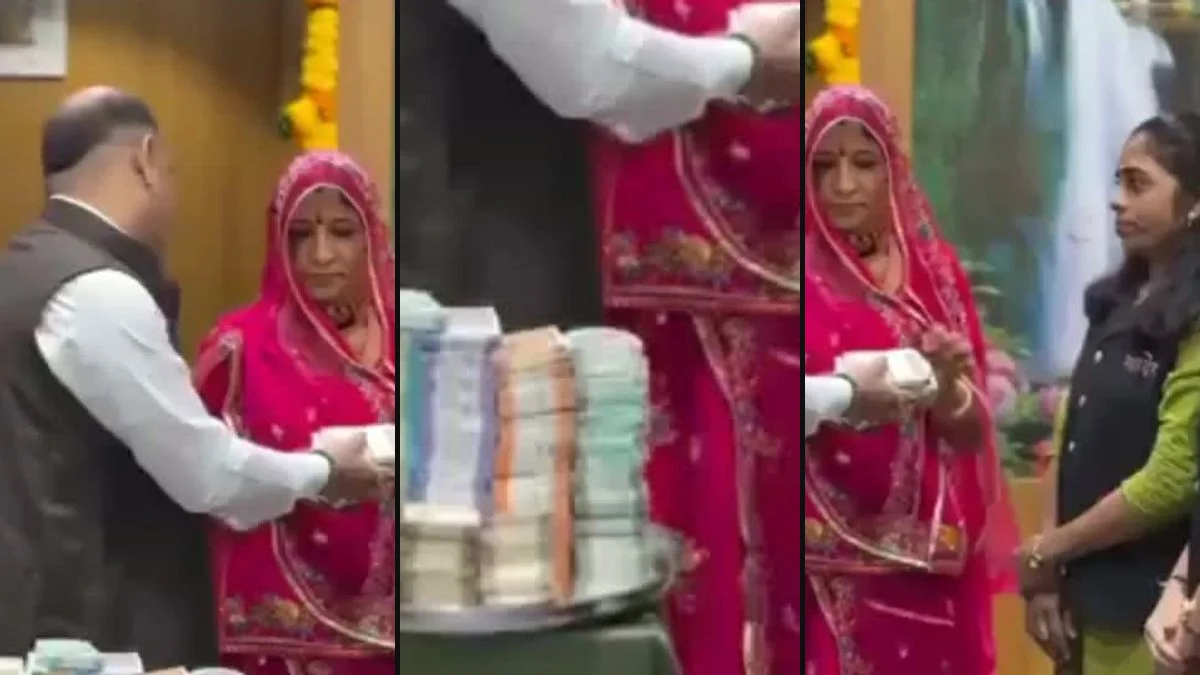
Ramswaroop Munde, a textile merchant originally from Rajasthan who operates Mahadev Cloth Centre near Sudama Chowk in Surat’s Mota Varachha area, went viral after distributing over ₹1 lakh in cold, hard cash to each of his 20 employees. Rather than quietly wiring digital bank deposits or handing out plain paper envelopes, Munde transformed the festive disbursement into a deeply emotional ceremonial ritual, stacking bundles of fresh currency on decorated silver puja thalis (prayer platters) and inviting the workers’ own families to present them.
IG@gujaratijagranSurat, Gujarat • Original Reelસુરતના શેઠ બોનસમાં 1 લાખ રુપિયાની કડકડતી નોટો આપી પત્નીએ 20 કર્મચારીઓને બોનસ આપ્યું સ્ટાફ ભાવુક થઈને રડી પડ્યો. (Surat textile merchant gives ₹1 lakh cash bonus on puja thalis; emotional staff moved to tears).
View on Instagram ↗ Verified Viral Feature
"They are not just employees; they are my family. Whatever wealth and grace Goddess Lakshmi has brought into this shop belongs equally to the hands that sweep the floor, fold the sarees, and stand on their feet for twelve hours every day."
The Presentation Ritual: Sacred Tradition Over Corporate Transactions
What made the gesture resonate so profoundly across social media was not merely the cash amount, but the deliberate cultural sanctity infused into the presentation.
In traditional Indian trading communities, Diwali is intrinsically linked to Dhanteras and Lakshmi Puja, ceremonies that honor wealth, prosperity, and cosmic abundance. Instead of treating the bonus as an impersonal payroll entry, Munde and his wife arranged the money into thick, crisp currency wads—incorporating ₹500, ₹100, ₹50, and ₹10 denominations—neatly stacked upon shining silver ceremonial platters decorated with marigold garlands, roli (sacred red vermilion), akshat (unbroken rice grains), and premium sweet boxes.
In an especially touching touch, Munde invited the wives of his employees to step forward and personally present the puja platters to their husbands and fellow staff members. As the platters were placed into the workers’ trembling hands alongside traditional tilak blessings, several staff members broke down in tears of joy, visibly overwhelmed by a level of honor and financial recognition rarely witnessed in the unorganized retail trade.
The Financial Reality: 8 Months of Salary in a Single Day
To understand why this gesture sent shockwaves through Indian social media, one must examine the stark economic realities of everyday retail labor:
- The Retail Wage Benchmark: In Surat’s bustling synthetic textile markets, floor assistants, packaging helpers, delivery runners, and tailoring staff typically earn between ₹12,000 and ₹18,000 per month, working intensive six-day weeks during the peak festive rush.
- The Scale of the Outlay: A cash bonus of ₹1,00,000 represents between six to eight months of full take-home income delivered in a single afternoon. For a small business employing 20 workers, the total bonus payout exceeded ₹20,00,000 in immediate liquidity—a massive financial allocation for an independent retail store.
- The Human Impact on Working Families: For working-class households contending with inflation, ₹1 lakh does not go toward luxury splurges. Employees described using the funds to eliminate high-interest debt from local moneylenders, clear entire academic school fees for their children, fund critical medical procedures for aging parents, or buy tangible gold jewellery on Dhanteras for their daughters.
Surat’s Culture of Outsized Bonuses: A Crucial Distinction
Surat, known globally as the “Diamond City” and the synthetic textile capital of India, produces over 40 million meters of fabric every single day and processes nearly 90% of the world’s cut diamonds. The city carries a legendary reputation for outsized employer generosity—most notably exemplified by diamond magnate Savji Dholakia of Hari Krishna Exports, who made international headlines for gifting hundreds of cars, apartments, and fixed deposits to his diamond polishers.
However, internet commentators were quick to highlight a critical distinction between billionaire corporate PR and Ramswaroop Munde’s shop-floor benevolence:
- Enterprise Scale vs. Personal Liquidity: Savji Dholakia operates an export conglomerate generating thousands of crores in international revenue with structured corporate reserves. Munde, by contrast, is a mid-sized independent fabric merchant operating from a single marketplace hub in Mota Varachha.
- Skin in the Game: For an independent retail shopkeeper, distributing ₹20 lakh in physical cash requires dipping directly into personal merchant working capital. It reflects a personal moral conviction rather than a corporate tax-deductible expense.
The Internet Reacts: Calling Out Corporate India
As footage of the ceremony spread from local Gujarati media to national broadcasts on NDTV, India Today, and Times of India, hundreds of thousands of corporate employees rallied around the clip on X, LinkedIn, and Reddit:
- The Contrast with Big Tech & IT: Netizens flooded comment sections tagging major Indian IT conglomerates and multinational firms. “Our multi-billion dollar firm sent an automated generic email and cancelled our variable pay, while a textile shopkeeper in Surat gave his staff eight months’ salary on a silver thali,” noted one viral comment on LinkedIn with over 15,000 likes.
- The Dignity of Labor: HR professionals and management consultants praised Munde’s presentation method, pointing out that treating retail workers with genuine reverence—honoring them with traditional rituals rather than treating them like interchangeable cogs—fosters generational loyalty that no corporate wellness webinar can replicate.
- Zero Attrition: Local reports revealed that several employees at Mahadev Cloth Centre have remained with Munde for over a decade, with workers viewing the establishment not just as an employer, but as a steadfast pillar of their family’s survival.
“When Lakshmi Enters, She Belongs to Everyone”
When questioned by local reporters about why he chose to give away such an extraordinary sum in cash, Ramswaroop Munde offered an answer steeped in timeless mercantile wisdom:
“Business is not built by concrete walls, inventory registers, or bank balances; it is built by the sweat and devotion of the people who unlock the shutters at dawn and roll the bolts of cloth until night. When Goddess Lakshmi blesses our shop with prosperity, that wealth does not belong to me alone. It belongs to the families who stood by my side to earn it.”
In a modern economic landscape dominated by corporate austerity, algorithmic layoffs, and transactional labor, a humble textile shop in Surat provided a masterclass in human decency—reminding the nation that the true spirit of Diwali is found in lifting those who help build your dreams.