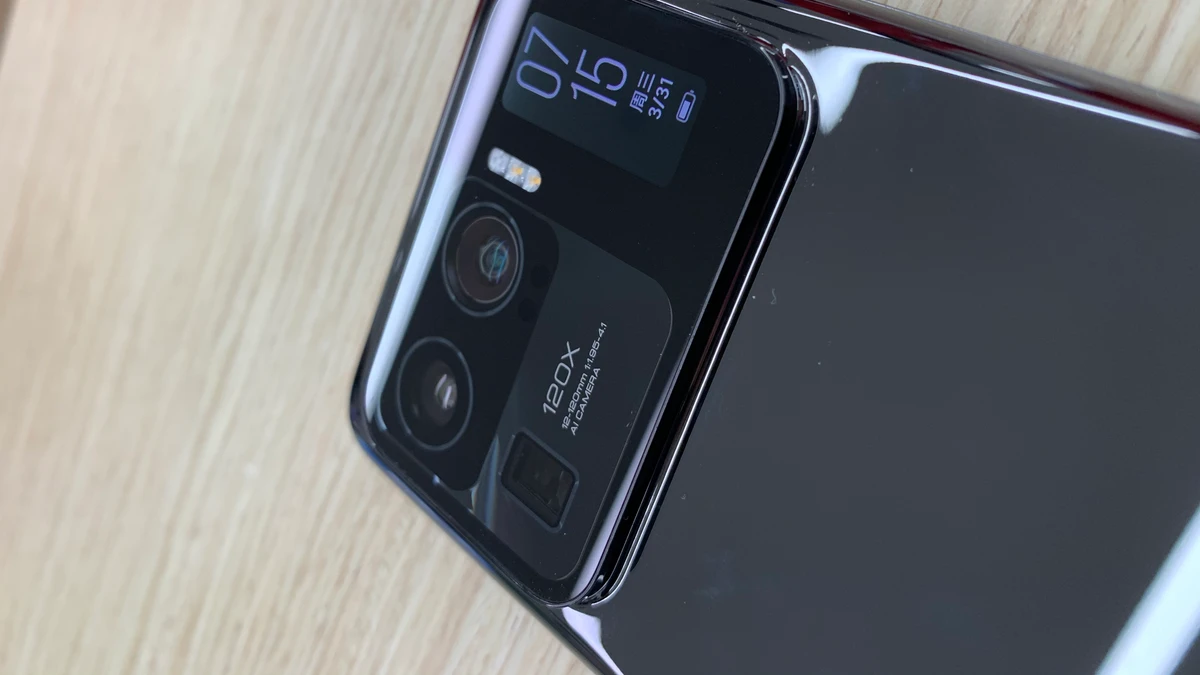
The world of mobile technology moves at a breakneck pace, but few expected the conversation to jump three years into the future this week. Renowned industry insider @UniverseIce, known to the tech community as Ice Universe, has sent ripples through social media by posting a cryptic yet direct reference to the “Samsung Galaxy S27 specs.”
The post, shared on X (formerly Twitter) on Tuesday, November 10, 2026, has immediately captured the attention of enthusiasts and industry analysts alike. While the consumer market is currently focused on the immediate horizon, this early glimpse into the 2027 roadmap suggests that Samsung is preparing for a significant architectural shift in its flagship series.
Viral Discussion on X (@UniverseIce): “samsung galaxy s27 specs”
Breaking Down the Future: What the Leaks Suggest
While the original post remains characteristically brief, the ensuing discussion among hardware analysts and supply chain trackers has highlighted several key areas where the Galaxy S27 is expected to deviate from its predecessors. The focus appears to be on a complete overhaul of the internal processing logic and imaging hardware.
- The 2nm Processing Era: Industry reports suggest that by 2027, Samsung Foundry will be mass-producing chips on a 2nm Gate-All-Around (GAA) process. This hardware leap is expected to offer a 12% increase in performance and a 25% reduction in power consumption compared to current 3nm nodes.
- Project Ulysses Camera Sensor: Rumors circulating in the wake of the post point toward a new 1-inch type sensor for the S27 Ultra. This would mark Samsung’s most aggressive move to reclaim the mobile photography crown from growing competition in the East.
- Under-Display Technology 2.0: After years of incremental updates, the S27 series is rumored to finally achieve a truly bezel-less experience. This involves hiding both the front-facing camera and the proximity sensors entirely beneath the OLED matrix without sacrificing clarity.
- Unified Design Language: Analysts believe Samsung will move toward a more cohesive “monolith” aesthetic for the S27. This design philosophy aims to eliminate the camera bump entirely, integrating the lenses flush with the rear glass panel.
The Mechanics of Mobile Foresight
To understand why a post about 2027 hardware matters today, one must look at the industrial lifecycle of a modern smartphone. Major manufacturers like Samsung operate on a “rolling three-year development cycle,” meaning that the fundamental engineering for the S27 is already being finalized in laboratory settings.
The shift to 2nm technology is not merely a marketing claim but a necessity driven by the demands of on-device artificial intelligence. As mobile AI models become more complex, the thermal constraints of current 3nm and 4nm chips become a bottleneck. The S27 is positioned to be the first “AI-native” device built from the ground up to handle massive local processing without relying on cloud servers.
Furthermore, the legal and economic landscape of the semiconductor industry plays a role in these leaks. With global competition for chip supremacy intensifying between TSMC and Samsung Foundry, early mentions of future specs serve as a signal to investors. It demonstrates a clear technological path that reassures stakeholders of the brand’s long-term viability in a crowded market.
The Internet Reacts: Skepticism Meets Hype
As is typical with any post from Ice Universe, the comment section became a battleground of theories, excitement, and healthy doses of skepticism. Many users questioned the relevance of discussing a device that is still years away, while others praised the leaker for providing a glimpse into the long-term tech landscape.
“We are still trying to figure out if the S25 is worth the upgrade, and Ice is already living in 2027,” commented one user, whose post garnered thousands of likes. The sentiment reflects a growing fatigue with the annual release cycle, with some consumers preferring to wait for these “quantum leap” generations rather than buying incremental yearly updates.
Another tech enthusiast noted, “If they actually manage to put a 1-inch sensor in a phone that isn’t a brick, it’s over for the competition. That is the only spec that matters at this point.” This highlights the specific demand for professional-grade optics in a pocketable form factor, a challenge that has plagued engineers for the last decade.
However, not everyone was convinced. “Let’s be real, we hear the same 2nm and under-display camera rumors every single year,” argued a skeptic on Reddit’s r/Android. “I’ll believe it when I see the official Unpacked event in 2027. Until then, it’s just digital tea leaves.”
Real-World Context and Industry Trajectory
The timing of this discussion coincides with a pivotal moment for the global smartphone market. Recent data shows that consumers are holding onto their devices longer, with the average upgrade cycle now stretching beyond 40 months in North America and Europe. This shift in consumer behavior puts immense pressure on brands to deliver features that are truly transformative.
Samsung’s move toward the S27 specs reflects a broader industry trend where hardware is being redesigned to accommodate the “Post-App Era.” In this future, the operating system is expected to be an invisible layer of AI assistance rather than a grid of icons. To power such an interface, the hardware specifications—particularly the NPU (Neural Processing Unit) mentioned in recent supply chain whispers—must be exponentially more capable than what is available today.
Historically, Ice Universe has a high accuracy rate regarding Samsung’s hardware choices, particularly concerning display technology and camera sensors. While the exact configurations may shift as we approach the 2027 launch window, the core themes of the leak—miniaturization, AI integration, and sensor dominance—align with the current trajectory of the semiconductor industry.
As we move closer to the actual production phase, more concrete details regarding battery chemistry and satellite connectivity are expected to emerge. For now, the “Samsung Galaxy S27 specs” remain a tantalizing blueprint for the future of mobile communication, proving that even in a saturated market, the promise of what comes next still has the power to captivate the global audience.